
Table of Contents
ToggleHow to Optimize Content for Featured Snippets
Table of Contents
FAQ
What is a featured snippet in SEO?
A featured snippet is a highlighted search result that appears at the top of Google’s results page and provides a quick answer to a user’s query. It typically includes a short excerpt from a webpage along with a link to the source.
How long should a featured snippet answer be?
Most featured snippet answers are 40 to 60 words long. Writing concise and clear answers improves the chances of being selected.
Do featured snippets increase traffic?
Yes. Featured snippets can increase click-through rates and organic traffic because they appear above regular search results.
Can a page rank in a featured snippet without ranking first?
Yes. A page does not need to rank #1 to appear in a featured snippet. Google sometimes selects content from pages ranked within the top 10 results.
Are featured snippets important for voice search?
Yes. Many voice assistants use featured snippets as spoken answers. Optimizing content for snippets can improve voice search visibility.
Search Engine Optimization (SEO) is constantly evolving, and one of the most valuable opportunities in modern SEO is earning Featured Snippets. Featured snippets appear at the very top of Google search results and provide users with quick answers to their questions.
For businesses, bloggers, and SEO professionals, winning a featured snippet can dramatically increase visibility, traffic, and authority.
In this comprehensive guide, you will learn:
-
What featured snippets are
-
Why they matter for SEO
-
The different types of snippets
-
Step-by-step strategies to optimize content
-
Real featured snippet examples
-
Common mistakes to avoid
-
A helpful FAQ section
By the end of this guide, you will understand how to structure and optimize your content to increase your chances of ranking in Google’s featured snippets.
What Are Featured Snippets?
A featured snippet is a highlighted search result that appears at the top of Google’s organic results, often referred to as “Position Zero.”
Google extracts content from a webpage and displays it in a box to quickly answer a user’s query.
Featured snippets typically include:
-
A summary of the answer
-
The page title
-
The website URL
-
Sometimes an image
For example, if someone searches:
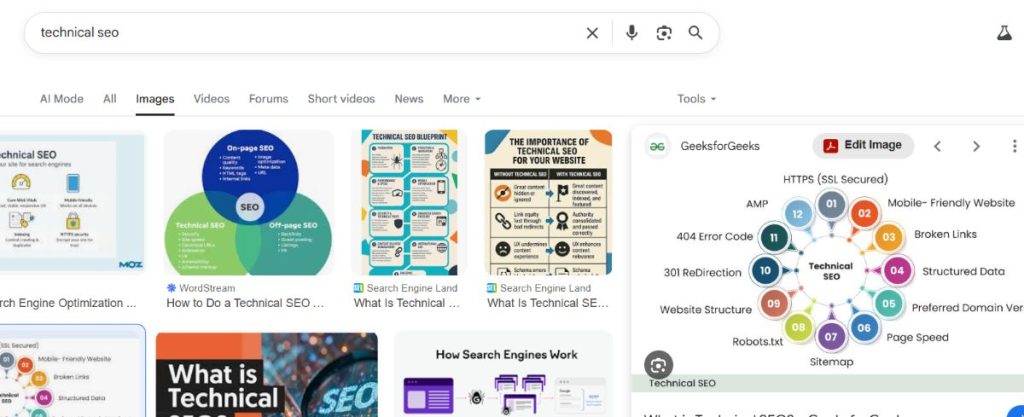
“What is SEO?”
Google may show a short definition from a website at the top of the page.
Example of a Featured Snippet
Search query: What is digital marketing?
Featured snippet example:
Digital marketing is the promotion of products or services using digital channels such as search engines, social media, email, and websites.
The snippet provides a quick answer while linking to the original source.
Why Featured Snippets Matter for SEO
Featured snippets can significantly improve a website’s SEO performance.
1. Higher Click-Through Rate (CTR)
Being displayed above all organic results naturally attracts attention. Many websites experience higher CTR even when they rank lower in the traditional results.
2. Increased Authority
When Google highlights your content as the best answer, it signals trust and authority to users.
3. Voice Search Optimization
Voice assistants such as Google Assistant often read featured snippets as answers. Optimizing for snippets can therefore improve voice search visibility.
4. More Organic Traffic
Featured snippets can bring a large volume of targeted traffic, especially for informational queries.
5. Competitive Advantage
Winning a featured snippet can help a smaller website outrank larger competitors.
Types of Featured Snippets
Understanding the different snippet formats is essential for optimization.
1. Paragraph Snippets
Paragraph snippets are the most common format. They typically contain 40–60 words answering a specific question.
Example query:
“What is content marketing?”
Snippet answer:
Content marketing is a digital marketing strategy focused on creating and distributing valuable, relevant content to attract and retain a target audience.
When Google Uses Paragraph Snippets
- Definitions
- Explanations
- “What is” questions
- “Why” questions
2. List Snippets
Google often shows a list when users search for steps, processes, or rankings.
Example query:
“Steps to start a blog”
Snippet:
- Choose a niche
- Select a blogging platform
- Pick a domain name
- Set up hosting
- Publish your first post
List snippets may be numbered or bulleted.
3. Table Snippets
Table snippets are used when users search for comparisons, statistics, or structured data.
Example query:
“SEO vs PPC comparison”
|
Factor |
SEO |
PPC |
|
Cost |
Organic |
Paid |
|
Speed |
Slow |
Fast |
|
Long-term value |
High |
Medium |
4. Video Snippets
Google may display YouTube videos when visual explanations are helpful.
Example queries:
- “How to tie a tie”
- “How to install WordPress”
Video snippets often start playing at the exact timestamp containing the answer.
How Google Selects Featured Snippets
Google uses algorithms to determine which page best answers a question.
Important factors include:
- Content relevance
- Clear structure
- Concise answers
- Authority and trust
- Search intent match
Google often selects content from pages that already rank in the top 10 results.
This means that good SEO fundamentals are still required.
Step-by-Step Guide to Optimizing Content for Featured Snippets
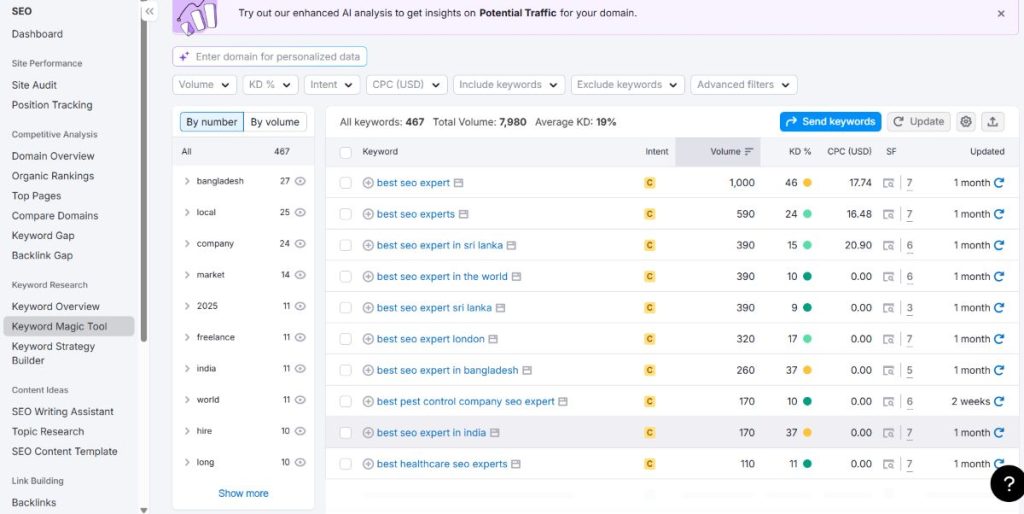
Step 1: Identify Featured Snippet Opportunities
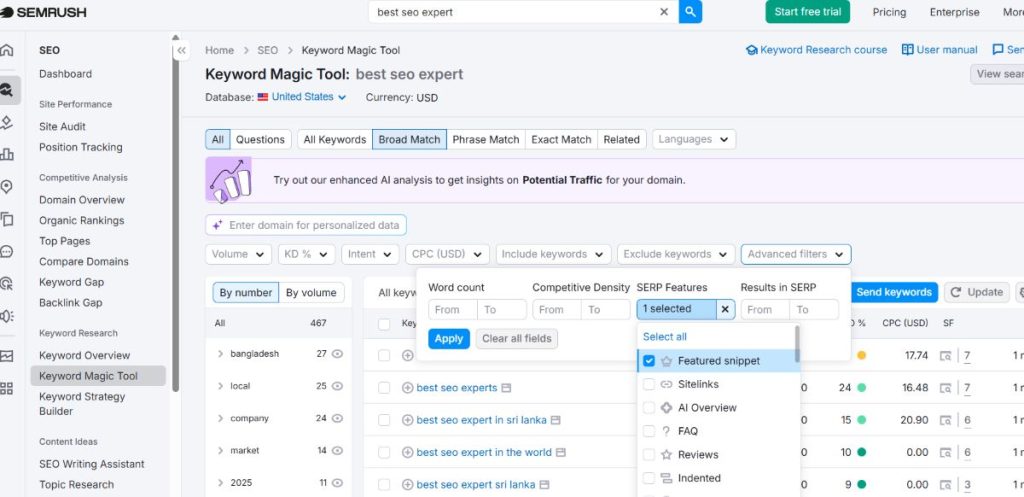
The first step is finding keywords that trigger snippets.
Search Google for your target keyword and check if a snippet already appears.
Tools that can help:
- Ahrefs
- SEMrush
- Ubersuggest
- Google Search
Look for queries such as:
- What is…
- How to…
- Why does…
- Best ways to…
- Steps to…
These types of queries frequently trigger snippets.
Step 2: Target Question-Based Keywords
Featured snippets are usually triggered by questions.
Examples:
- What is technical SEO?
- How does backlink building work?
- Why is page speed important?
Including these questions in your content improves the chance of being selected.
A good strategy is to create FAQ sections that answer common questions.
Step 3: Provide a Clear and Direct Answer
After the question heading, write a clear 40–60 word answer.
Example:
What Is On-Page SEO?
On-page SEO refers to optimizing elements within a webpage to improve search engine rankings. It includes optimizing title tags, headings, content, internal links, and images to make the page more relevant and user-friendly for search engines and visitors.
This structure makes it easy for Google to extract the answer.
Step 4: Use Proper Heading Structure
Well-structured headings help Google understand content.
Use:
- H1 for the title
- H2 for main sections
- H3 for subtopics
Example structure:
H1: How to Optimize Content for Featured Snippets
H2: What Are Featured Snippets
H2: Types of Featured Snippets
H3: Paragraph Snippets
H3: List Snippets
Clear structure increases snippet potential.
Step 5: Use Lists and Tables
Lists are excellent for snippet optimization.
Example:
Steps to Improve Website SEO
- Conduct keyword research
- Optimize title tags
- Improve page speed
- Build quality backlinks
- Publish valuable content
Google frequently extracts list content directly.
Tables are also useful for comparisons.
Step 6: Optimize for Long-Tail Keywords
Long-tail keywords are more specific and often easier to rank for.
Example:
Instead of:
SEO tips
Use:
SEO tips for beginners in 2025
Long-tail queries often trigger snippets.
Step 7: Add High-Quality Images
Although snippets mainly show text, Google often pulls images from pages.
Best practices:
- Use relevant images
- Add descriptive alt text
- Compress images for speed
Example alt text:
“content optimization for featured snippets example”
Step 8: Improve Page Authority
Even well-structured content may not earn snippets if the page lacks authority.
Important ranking factors:
- Backlinks
- Domain authority
- Internal linking
- High-quality content
Building authority increases snippet chances.
Step 9: Optimize for Voice Search
Voice search queries are usually conversational questions.
Example:
Typed query: SEO tips
Voice query: “What are the best SEO tips for beginners?”
Writing conversational content helps capture these searches.
Real Featured Snippet Optimization Example
Let’s see how an optimized section looks.
What Is Keyword Research?
Keyword research is the process of identifying words and phrases people use in search engines. It helps marketers understand search intent and create content that targets relevant queries to improve visibility and organic traffic.
This format works well because:
- Question heading
- Direct answer
- Concise explanation
Advanced Strategies for Winning Featured Snippets
1. Analyze Existing Snippets
Study the current snippet and improve it.
Ask:
- Is the answer clear?
- Can I make it more concise?
- Can I add a better list or table?
2. Use the “Snippet Bait” Technique
Snippet bait is a short section specifically designed to win the snippet.
Example:
Benefits of SEO
The main benefits of SEO include:
- Increased organic traffic
- Higher search engine rankings
- Improved brand credibility
- Better user experience
- Long-term marketing results
3. Optimize Existing Content
You do not always need new articles.
Updating old posts with:
- better structure
- clear answers
- question headings
can help capture snippets.
Common Mistakes to Avoid
Keyword Stuffing
Overusing keywords makes content unnatural and may harm rankings.
Write naturally for humans first.
Writing Long Answers
Featured snippets usually contain short answers.
Avoid long paragraphs when answering questions.
Ignoring Search Intent
If the user wants a list but your content gives a long paragraph, Google may choose another page.
Poor Formatting
Walls of text are difficult for both readers and search engines.
Use:
- headings
- bullet points
- tables
Future of Featured Snippets
Search results continue evolving with:
- AI-generated summaries
- voice search
- conversational search
However, well-structured content will always remain essential.
Websites that clearly answer questions will continue to perform well.
Conclusion
Featured snippets provide a powerful opportunity to gain visibility, authority, and traffic from search engines.
By understanding how snippets work and structuring your content effectively, you can significantly improve your chances of appearing in Position Zero.
The key strategies include:
- Targeting question-based keywords
- Providing concise answers
- Using structured headings
- Adding lists and tables
- Matching search intent
Consistently applying these techniques can help your content stand out in search results and attract more organic traffic.