
Table of Contents
ToggleWhat is the purpose of an SEO content brief?
The purpose of an SEO content brief is to guide writers in creating content that is optimized for search engines and useful for readers.
How long should an SEO content brief be?
An SEO content brief can range from 1 to 3 pages, depending on the complexity of the topic and the level of detail required.
Who creates SEO content briefs?
SEO specialists, content strategists, or digital marketing managers typically create SEO content briefs before assigning content to writers.
What tools help create SEO content briefs?
Common tools include:
Ahrefs
SEMrush
Surfer SEO
Google Keyword Planner
These tools help analyze keywords, competitors, and search intent.
SEO Content Brief: How to Create One Step by Step
Creating high-quality content is one of the most important parts of SEO and digital marketing. However, many websites fail to rank on search engines because their content is not properly planned. This is where an SEO content brief becomes essential.
An SEO content brief is a document that guides writers on what to write, how to structure the article, and how to optimize it for search engines. When done correctly, it ensures that content aligns with search intent, targets the right keywords, and satisfies both readers and search engines.
In this guide, you will learn what an SEO content brief is, why it matters, and how to create one step by step. You will also see real examples and practical tips to help you implement it effectively.
What is an SEO Content Brief?
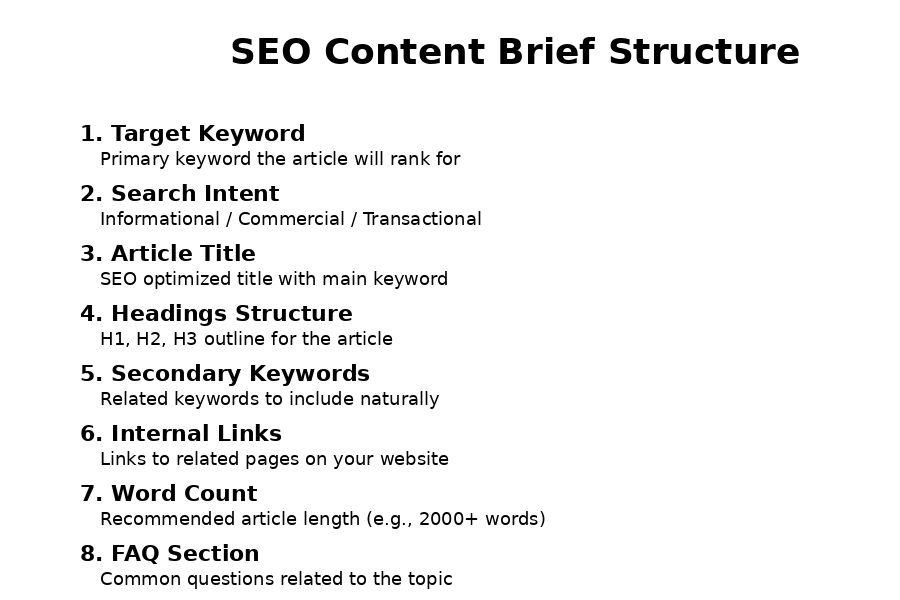
An SEO content brief is a detailed set of instructions given to a content writer before writing an article. It contains information such as:
-
Target keyword
-
Search intent
-
Recommended headings
-
Content structure
-
Word count
-
Internal linking suggestions
-
Competitor insights
The purpose of an SEO content brief is to ensure that the content is optimized for ranking and provides value to readers.
Instead of guessing what to write, the writer follows a clear plan based on keyword research and competitor analysis.
Why SEO Content Briefs Are Important
Many websites publish content without planning. As a result, the article may:
-
Miss important keywords
-
Ignore user intent
-
Lack proper structure
-
Fail to compete with existing top-ranking pages
A well-created SEO content brief solves these problems.
1. Improves Search Rankings
An SEO brief ensures the content includes the right keywords and covers the topic comprehensively, which increases the chances of ranking higher.
2. Saves Time for Writers
Writers do not need to research everything from scratch. The brief provides clear instructions, making the writing process faster and more efficient.
3. Ensures Content Consistency
If multiple writers work on a website, SEO briefs maintain a consistent structure, tone, and optimization strategy.
4. Aligns Content with Search Intent
Search intent is one of the most important ranking factors. A good brief ensures the article answers exactly what users are searching for.
Key Elements of an Effective SEO Content Brief
Before learning how to create one, it is important to understand the core elements included in a strong SEO content brief.
Target Keyword
The main keyword the article aims to rank for.
Example:
Primary keyword:
SEO content brief
Secondary Keywords
Supporting keywords related to the main topic.
Examples:
- content brief template
- SEO content strategy
- how to write SEO content
Search Intent
Understanding why people search for a keyword.
Search intent usually falls into four categories:
- Informational
- Navigational
- Commercial
- Transactional
For example:
Keyword: SEO content brief
Intent: Informational (users want to learn how to create one).
Recommended Word Count
The suggested length of the article based on competitor analysis.
Example:
Recommended word count: 2000 – 3000 words
Content Structure
A list of headings that the writer should follow.
Example:
H1: SEO Content Brief
H2: What is an SEO Content Brief
H2: Why it is Important
H2: How to Create One
Internal Links
Links to other pages on the website that should be included.
Example:
- Link to SEO guide
- Link to keyword research article
External References
Sometimes it is useful to include trusted sources or statistics.
Step-by-Step Guide to Creating an SEO Content Brief
Now let’s go through the complete process of creating an SEO content brief.
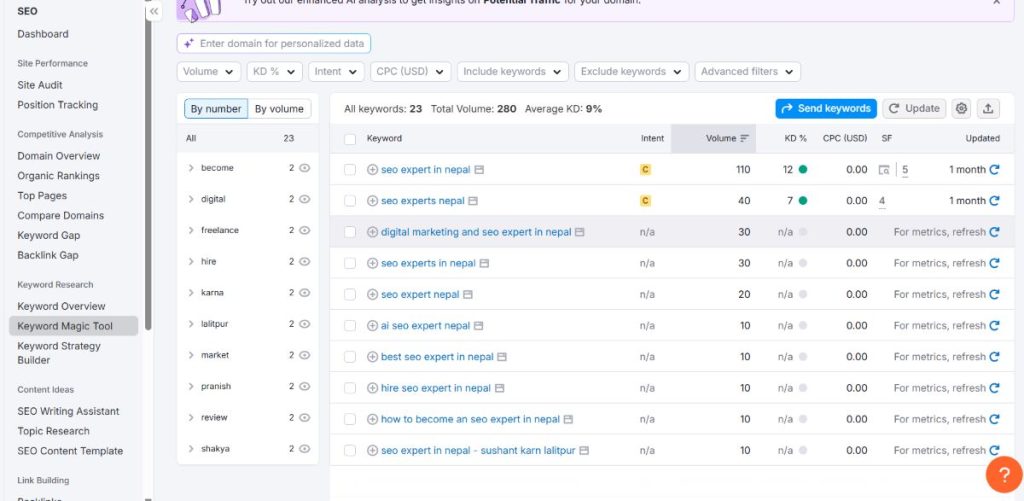
Step 1: Identify the Target Keyword
The first step is choosing the main keyword you want to rank for.
You can find keywords using tools such as:
- Google Keyword Planner
- Ahrefs
- SEMrush
- Ubersuggest
Look for keywords that have:
- Good search volume
- Moderate competition
- Clear search intent
Example:
Keyword: SEO content brief
Search volume: 1,000 per month
Step 2: Understand Search Intent
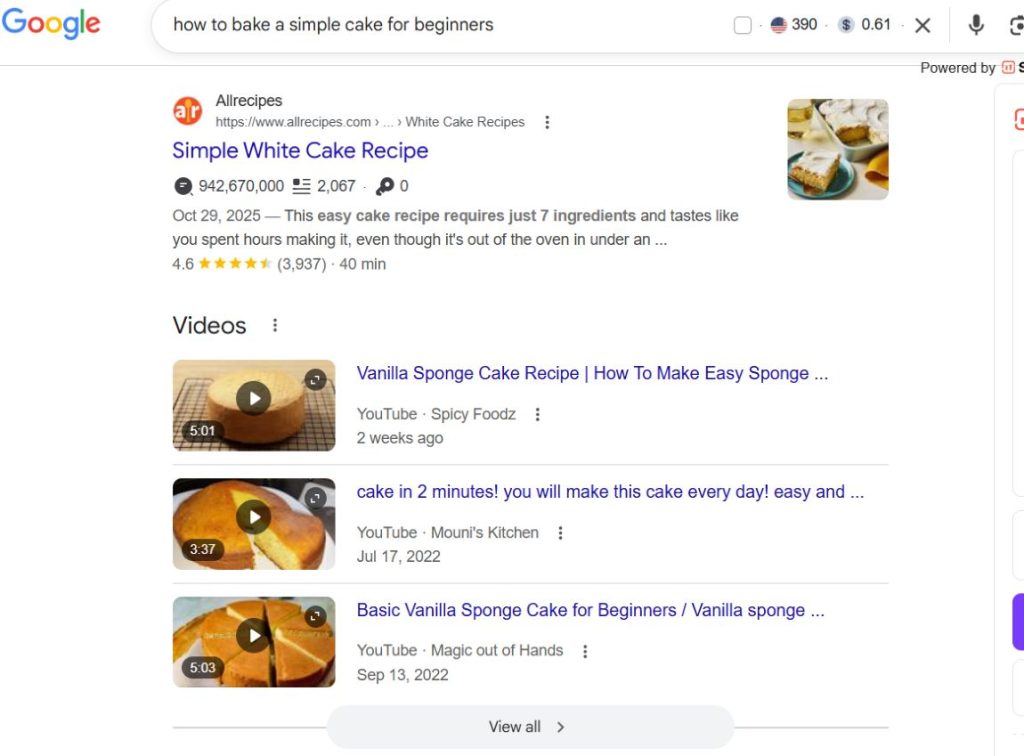
After selecting a keyword, analyze what users actually want.
Search the keyword on Google and check the top results.
Ask questions such as:
- Are the results guides or product pages?
- Do they provide tutorials or definitions?
- Are users looking for tools or information?
For example, if you search SEO content briefly, most results are step-by-step guides.
That means your article should also be a comprehensive guide.
Step 3: Analyze Top Ranking Pages
Next, study the pages ranking in the top 10 results.
Look for:
- Content structure
- Average word count
- Common headings
- Questions answered
You can manually check the articles or use SEO tools to gather insights.
Example findings:
Top pages include sections like:
- What is an SEO content brief
- Benefits
- Templates
- Examples
This helps you understand what content must be included to compete.
Step 4: Define the Article Structure
Based on competitor analysis, create the heading structure.
Example structure:
H1: SEO Content Brief: How to Create One Step by Step
H2: What is an SEO Content Brief
H2: Why It Is Important
H2: Key Elements of an SEO Content Brief
H2: Step-by-Step Guide
H2: SEO Content Brief Example
H2: Best Practices
H2: Common Mistakes
H2: FAQ
A clear structure helps writers organize information logically.
Step 5: Add Secondary Keywords
Supporting keywords help search engines understand the topic better.
Examples for this article:
- SEO content template
- content brief example
- how to write SEO content
However, avoid keyword stuffing. Keywords should appear naturally.
Step 6: Provide Content Guidelines
The brief should include writing instructions such as:
Tone: Informative and easy to understand
Audience: Beginners and marketers
Word count: 2500 – 3000 words
Also include guidelines like:
- Use short paragraphs
- Add examples
- Include actionable tips
Step 7: Add Internal Linking Suggestions
Internal links improve website SEO and user navigation.
Example:
Link to articles like:
- Keyword research guide
- On-page SEO checklist
- Content marketing strategy
These links help distribute SEO value across the website.
Step 8: Include Visual Content Suggestions
Images and visuals improve readability and engagement.
Examples:
- Infographics
- Step-by-step screenshots
- Content templates
For example, you might include an image showing a sample SEO content brief template.
Example of an SEO Content Brief
Here is a simple example.
Title:
SEO Content Brief: How to Create One
Primary keyword:
SEO content brief
Secondary keywords:
- SEO content template
- content brief example
- SEO writing guide
Word count:
2500 – 3000 words
Target audience:
Content writers and SEO beginners
Search intent:
Informational
Headings:
- What is an SEO Content Brief
- Why it Matters
- Steps to Create One
- Example Template
- Best Practices
- FAQ
Internal links:
- SEO basics guide
- keyword research article
Tone:
Educational and practical.
Best Practices for Creating SEO Content Briefs
Focus on Search Intent
Always ensure the content answers the user’s query.
Keep Instructions Clear
Avoid overly complex instructions. Writers should understand the brief easily.
Include Competitor Insights
Understanding competitors helps create better content.
Update Briefs Regularly
Search trends change over time, so update briefs when needed.
Common Mistakes to Avoid
Ignoring Search Intent
Even well-written content will not rank if it does not match user intent.
Overusing Keywords
Keyword stuffing can harm SEO and reduce readability.
Providing Vague Instructions
Writers need clear direction. A vague brief leads to weak content.
Skipping Competitor Analysis
Without competitor insights, it is difficult to create competitive content.
How SEO Content Briefs Improve Content Marketing
Content briefs play a key role in scaling content production.
They help businesses:
- Maintain consistent quality
- Improve search rankings
- Increase organic traffic
- Save time in content creation
For agencies and freelancers, SEO briefs are especially valuable because they ensure clients receive optimized and structured content.
Final Thoughts
An SEO content brief is one of the most powerful tools in content marketing. It ensures that every article is planned strategically and optimized for search engines.
Instead of writing content randomly, SEO professionals use briefs to align keywords, structure, and search intent before writing begins.
By following the step-by-step process outlined in this guide, you can create content briefs that help writers produce high-quality, SEO-friendly articles that rank well in search engines.
Over time, consistently using SEO content briefs will improve your content quality, search visibility, and organic traffic.